RINGS

How to Determine Your Ring Size

The most accurate way to determine your ring size is to be professionally measured by a jeweler.

If you're measuring at home, use our printable ring sizer or measure the inside diameter of a ring that already fits well and compare it to our Ring Size Guide.

RING BUYING TIPS

• Fingers naturally change size throughout the day. Measure at the end of the day when your hands are at a normal temperature.

• If you're between sizes, most jewelers recommend choosing the larger size for a more comfortable fit.

• Wider rings (6mm and up) often fit more snugly than narrow bands. Many people prefer ordering ¼–½ size larger for wide bands.

• Your dominant hand is often slightly larger than your non-dominant hand.

• Cold weather can make fingers measure smaller, while heat, exercise, and humidity can make them swell.

Important: Alternative metal rings (such as tungsten, titanium, ceramic, cobalt, and zirconium) cannot typically be resized. Please double-check your size before ordering.

Ring Size Conversion

Ordering internationally? Use this conversion chart to compare US ring sizes with UK, European, Japanese, and other international sizing systems.

Spring ring clasps are a lightweight type of closure and great for keeping both weight and cost down (on solid gold chains especially). Most people find that lobster claw closures are much easier to close but with it may come a higher price tag in gold due to the heavier weight. 

The most common casual chain style for pendants is a cable chain which are lighter in weight, versatile and easiest to repair. 

Box and snake chains both provide a more smooth surface area to shine giving off a fancier, more evening-like look.

Rope and Spiga (wheat) chains are made with more links that are woven tighter together and are a great choice for heavier pendants. 

For most pendants, 1–1.3mm is an ideal chain thickness, offering an attractive balance of strength and appearance. Very delicate chains under 1mm are best suited to lightweight pendants.

Larger pendants (approximately 38mm / 1.5 inches or longer) generally look best on chains 1.3mm or thicker. Always verify that the pendant's bail opening is large enough to accommodate your chosen chain.

Necklace placement varies depending on neck size, body type, and pendant weight. The illustrations above are intended as a general guide.

Women's most popular necklace length is 18 inches, while 20–24 inches are the most common choices for men.

Children's necklaces are typically available in 14–16 inch lengths, depending on age and size.

When selecting a chain, consider:

Pendant size and weight

Bail opening

Desired necklace length

Chain thickness

Personal style

A properly matched chain should comfortably support your pendant while complementing its overall appearance.

Jewelry Care & Cleaning

✓ 🛡️ Wear with Care

Remove jewelry before exercising, swimming, gardening, or heavy lifting.

Avoid sleeping in delicate jewelry.

Remove rings before activities that may cause impact or scratching.

✓ 🧴 Avoid Chemicals

Keep jewelry away from:

Household cleaners

Bleach & chlorine

Lotions & sunscreen

Perfume & hairspray

Cosmetics

These products can dull metals, damage gemstones, or accelerate tarnishing.

✓ 📦 Proper Storage

Store jewelry separately in:

A soft pouch

A cloth-lined jewelry box

An anti-tarnish bag (for sterling silver)

Keeping pieces separated helps prevent scratches and tangles.

✓ 🫧 Cleaning

Most jewelry can be cleaned with:

Warm water

Mild dish soap

A soft toothbrush or jewelry brush

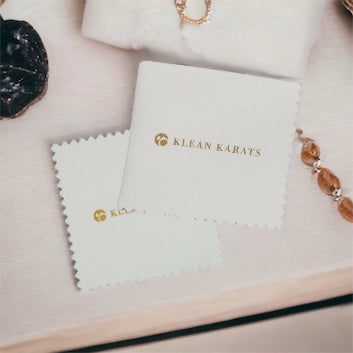
Dry thoroughly with a soft microfiber or jewelry polishing cloth.

✓ 💎 Professional Inspection

Fine jewelry worn regularly should be professionally inspected about once a year to check:

Prongs

Stone security

Clasps

General wear

✓ ✨ Tarnish Removal

For sterling silver or other metals that develop tarnish, use a cleaner specifically designed for that metal and gemstone combination.

-

Know Your Gemstone

Not every gemstone can be cleaned the same way.

Some stones—including pearls, opals, turquoise, lapis lazuli, amber, coral, and emeralds—should not be cleaned with ultrasonic cleaners or harsh chemical cleaners. When in doubt, use only warm water, mild soap, and a soft cloth.

-

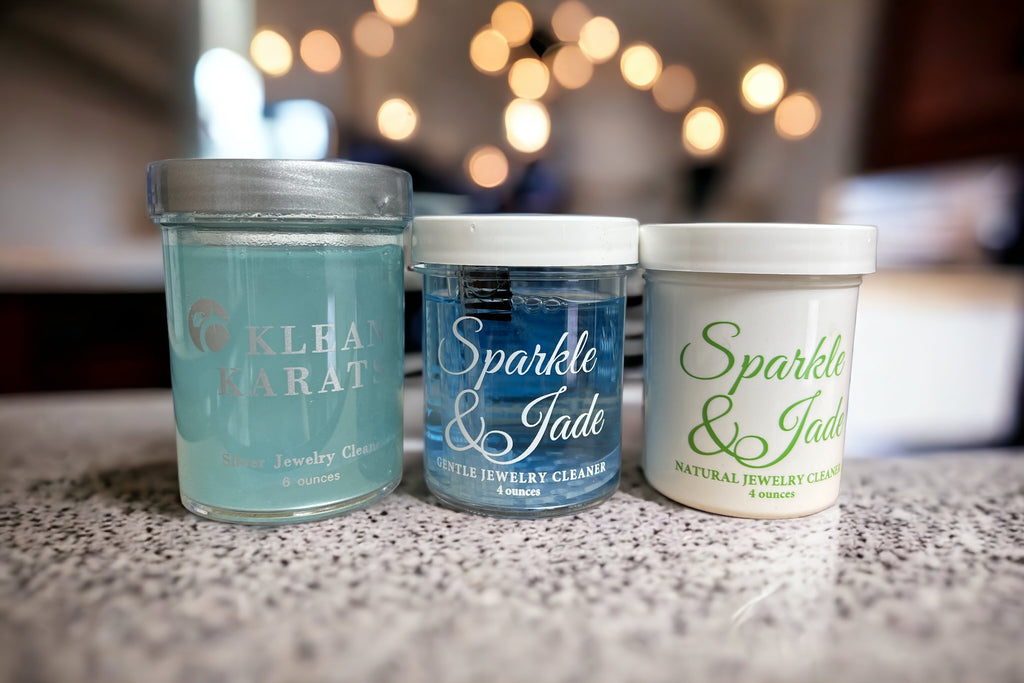
Recommended Jewelry Care Products

Keep your jewelry sparkling with professional-grade cleaners, polishing cloths, and care products safe for many precious metals and gemstones.